I had breast cancer – testosterone treatment for menopause has changed my life
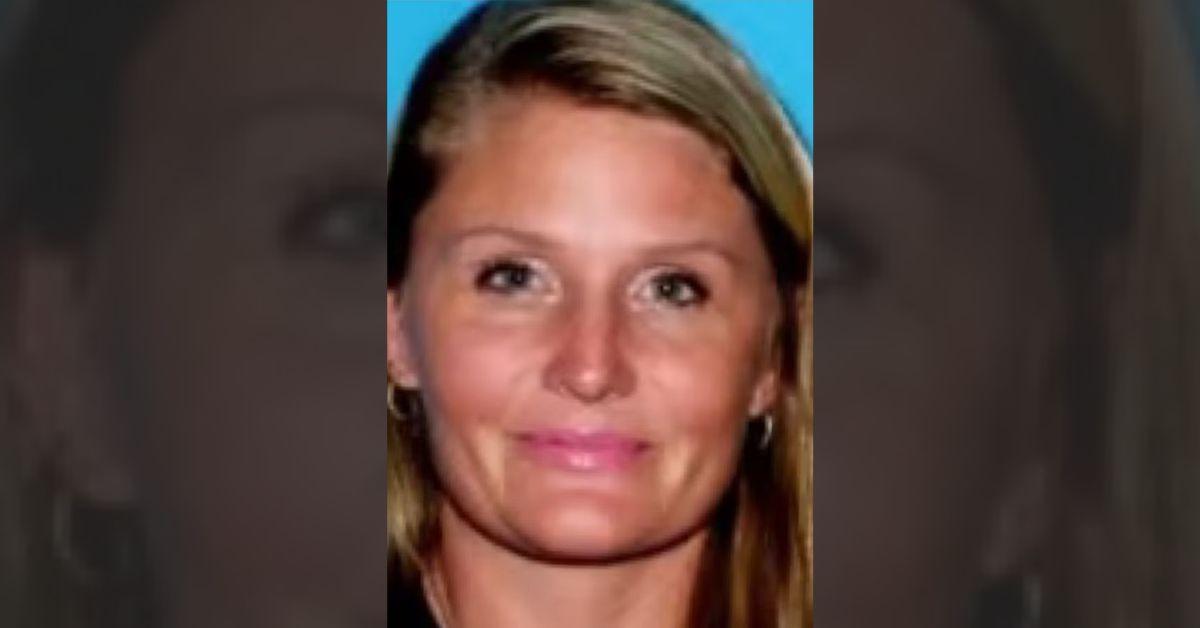
Deborah Whittingham says that due to the stigma surrounding testosterone and it being viewed as a ‘male hormone’, she felt ashamed to tell people she was taking it
A mother who was suicidal as a result of her severe menopause symptoms says hormone treatment has saved her life.
Deborah Whittingham, 55, who lives in north Staffordshire, began experiencing unusual symptoms leaving her unable to cope with small everyday tasks.
Ms Whittingham told The i Paper: “I was not coping with small things, which normally wouldn’t be an issue, and I was overthinking and catastrophising everything.
“I could no longer do things like stand near the yellow line at a railway station because I was filled with anxiety and thought I would get sucked under the train.”
Ms Whittingham, who is married to Phil and has two sons aged 26 and 18, was diagnosed with breast cancer in 2018 at the age of 39.
Although it was a high grade cancer, it was discovered early and she underwent a mastectomy and reconstruction. When she was hit by menopausal symptoms, she became suicidal.
“I was finding myself sitting in car parks in the Peak District miles away from anywhere trying to work out how to end my life and at the same time knowing this wasn’t me,” she said.
“I knew something wasn’t right for me to have gone through the breast cancer and feeling so grateful to have survived to then thinking about how to die. It was a horrible time.”

Ms Whittingham suffered other symptoms, such as Raynaud’s, where your blood stops flowing properly. She did not experience symptoms typically associated with menopause, such as hot flushes – and actually found herself feeling cold most of the time.
It was when she watched Davina McCall’s programme about menopause that she experienced a “lightbulb moment”.
However, when she went to see a GP, she was told she could not be prescribed HRT due to having had breast cancer. She saw two gynaecologists who told her the same thing.
Ms Whittingham went to a Newson Health menopausal clinic, and after being given information on the treatment, realised there was limited risk to her.
HRT can slightly increase the risk of breast cancer. The risk increases the longer you take it and the older you are – most women who have had breast cancer will be advised against HRT.
There are around five extra cases of breast cancer in every 1,000 women who take combined HRT for five years, the NHS says.
Ms Whittingham was put on HRT with all three hormones – oestrogen, progesterone and testosterone – and says the impact on her life was revolutionary.
Currently, testosterone is not licensed for menopause treatment in the UK, although it can be prescribed by a specialist doctor.
“My self-confidence and self-esteem came back and my zest for life returned,” she recalled. “I wasn’t anxious and stressed anymore and was able to get on with things.
“I have a strong marriage,
0
but the menopause affected me so badly, I was willing to walk away from everything. The brain fog was so unbearable, I couldn’t think clearly or remember things.
“I believe HRT and particularly testosterone saved my life, my marriage and my career.”

Ms Whittingham says that due to the stigma surrounding testosterone and it being viewed as a “male hormone”, she felt ashamed to tell people she was taking it.
Ms Whittingham was receiving progesterone and testosterone on the NHS, but they were cut off by her GP last year. She is fighting her battle to get her NHS prescription back and is currently paying privately for progesterone and testosterone due to the impact she believes losing the latter has had.
“I have been told they will not prescribe it as they have to prescribe within guidance,” she said. “But I am paying privately for it as I know I cannot go back to how I was.”
New research from women’s health clinic Newson Health has highlighted the urgent need for better education around testosterone.
The study, which has been published in the Journal of Sexual Medicine, surveyed 600 women navigating hormonal changes and 79 per cent reported they had reduced or stopped physical activity due to perimenopause and menopause related symptoms such as fatigue, aching joints and loss of stamina.
Among these women, 90 per cent said they were eventually able to resume or increase exercise, with 64 per cent attributing that improvement to treatment with hormones.
In one group of 181 women who were prescribed testosterone, 73 per cent saying it had helped them return to or boost their physical activity levels.
Dr Louise Newson, GP and hormone specialist, told The i Paper: “Deborah’s story is sadly not unique and it highlights just how devastating untreated menopause symptoms can be, as well as the life-changing impact testosterone therapy can have.
“The stigma surrounding testosterone, especially for women, is harmful and unfounded. No one should feel ashamed of taking a hormone that their body needs, as Deborah did.
“It’s deeply concerning that her treatment was stopped – not because of medical evidence, but because of fear and misinformation.”
If you need support, contact the Samaritans on 116 123 3or email [email protected]. You can also contact Age UK on 0800 678 1602.